The second prompt, “Without Warning,” represents the sudden event that threatens the connection expressed in the first prompt, “Bound to Earth.” It embodies the unexpected disruptions that can sever one’s attachment to land, community, or stability. This prompt shifts the narrative from grounding to upheaval.
To recall, we are representing the journey of a displaced person. In many ways, this prompt serves as the triggering event that sets this journey into motion.
Like in any good story, everything seems fine until – BAM!- something happens to disrupt the calm.
For instance, we might see a happy couple joyfully moving into their new home, and then – BAM! – without warning, they’re attacked by a vengeful ghost. Or we hear children playing in a peaceful village on a distant planet, and suddenly – BAM! – hostile aliens invade, destroying everything and taking prisoners. Or a young girl and her dog dream of a place where trouble melts like lemon drops, but – BAM! – a tornado lifts their house and drops it onto an unknown land.
Although, for us as observers, these events don’t exactly happen without warning. We chose to watch the horror movie. We saw the trailer for the intergalactic drama. We read the book.
We recognize these seemingly calm moments as the quiet before the storm because we know the storm is coming.



Movie posters from the 1950ies, 1980ies and 1990iesSure, we might jump at the sound of a slamming door, be caught off guard by a twist, or feel nervous for the character trying to escape the bad guy (she’s played by a famous actress, and it is only minute 20 of the movie, so we know she’ll survive!). But we chose to be here, to experience these emotions.
So, I will give you the choice of how to experience this artefact I received from Devora.
Choice number 1: The Total Without Warning Experience
Find a comfortable, quiet space. Make sure you have at least 10 minutes to spare. Put on headphones and listen to the following recording.
During the first part, you will hear bells guiding your breathing: inhale on the first bell, and exhale on the second.
If you’re ready to embrace the concept of “without warning,” start the experience now and avoid reading any further.
Choice number 2: The Trigger Warning
Follow the same instructions as for Choice 1.
Be advised, however, that things may get a bit uncomfortable after the breathing portion ends.
Choice number 3: Timed Trigger Warning
Follow the same instructions as before.
Be aware that things change after the 5-minute mark.
Choice number 4: The Guided Tour
For the first 5 minutes, synthetic bells guide the inhale and exhale, with breaths following the rhythm. The pattern consists of 5-6 breaths per minute, with a 40% inhale and 60% exhale. This longer exhale helps the nervous system to relax by stimulating the parasympathetic system linked to relaxation.
At minute 5, the bells stop, replaced by a closing auditory sequence of rhythmic music and vocals.
At 5:25, heavy breathing and distressing sounds emerge. You can hear Devora cry as they keep on audibly breathing. Devora sobs and wails before gradually calming down.
The recording then fades into silence.
Choice number 5: A Real Choice
You can listen to the recording however you like.
Maybe start with a few bell sounds, then skip to minute 5.
Stop if it feels uncomfortable or listen again to pay attention to some details.
Use this recording for meditation, on your outdoors lunch break during the last warm days of fall.
Or play it on the metro during your evening commute when the car is crowded and uncomfortable: listen with one earbud in, staying aware of your surroundings and the bodies of complete strangers colliding into yours during sudden stops.
Or don’t listen at all. It is entirely up to you.
My Experience
The Recording
I received the recording as an attachment in an email from Devora.
The email explained that this was only a partial recording of a longer, 20-minute meditation and included details about breaths per minute and the inhale-exhale ratio.
The email also mentioned that these 20-minute meditations, guided by a soundtrack, have been very emotional for them in the past. They anticipated that if their response to “Without Warning” was based on resonant breathing, it could be emotionally charged. This practice, they added, has helped them learn to exist in the world and in their body without hypervigilance or the constant expectation that something terrible could happen without warning.
I was warned that something will happened after the resonant breath loop ended.
At first, I found the bell sounds irritating and unnatural. Listening through computer speakers, I couldn’t hear the breaths; it was only after switching to noise-canceling headphones that I noticed them.
When the bells gave way to music, I felt confused. The sound seemed artificial and the melody uninteresting. But when the music stopped and raw emotions emerged, I felt I was finally connecting with the experience, though it felt like intruding on a private moment. After machine-made sounds, human expressions took over. What I was hearing was authentic and raw.
Nothing is more real and human than breaths and cries. This is how humans enter the world: with a first breath, followed by cries. And their last breath is often followed by the cries of others.
Our cries punctuate the significant moments of our lives, through a wide range of emotions: joy, sorrow, desperation, envy, relief, disappointment, or anger.
I wondered which languages have the most words for crying. My fingers led me to a search engine, and I inquired how different cultures express the nuances of these sounds.
Are our cries universally human, or do they differ culturally? For example, studies show that native language shapes the melody of a newborn baby’s cry. French newborns tend to have a rising melody, while German newborns cry with a falling tone. These differences emerge just three days after birth.
Research also shows that babies whose mothers speak tonal languages (like Mandarin or Lamnso) exhibit greater melodic variation in their cries compared to those of non-tonal language speakers.
We cry in our mother tongue. We cry with an accent. Beyond the loss of vocabulary that accompanies disappearing languages, are the subtleties of our most primal expressions of emotion also at risk in a changing world?
In English alone, multiple words capture the nuances of crying: cry, weep, sob, bawl, blubber, wail, whimper, snivel, and lament.
Without warning, one might burst or dissolve into tears.
Are human emotions unpredictable only to those witnessing them, or also to the one experiencing them?
Do sudden eruptions of emotion always respond to something happening in the physical world, or are they, as in this recording, reactions to internal turmoil – processing events and impacts from the past?
In this particular experience, Devora placed themselves in a situation where they anticipated that strong feelings and emotions would arise. So, did they consciously choose to experience them?
How does the idea of choice interact with the concept of warning?
Why do we sometimes seek out experiences that evoke fear, like watching a scary movie or engaging in extreme sports? As a general rule, we don’t enjoy actual danger. While someone might exclaim, “That was fun!” after bungee jumping, I can’t imagine anyone say the same after narrowly escaping a car accident.
As a lawyer, I am often asked to review assumption of risk forms or waivers, which outline obvious and foreseeable dangers, asking participants to acknowledge the risks. I chuckle when clients include clauses like, “This activity is fun but dangerous. I understand and agree I could die and promise I won’t sue you if I do.” The truth is, people sign these documents because they don’t believe they will actually get seriously injured. They trust the organizer, equipment, staff, or their own skills. The fear they seek is contained and manageable.
Acknowledging risks before a horseback riding class isn’t the same as heeding a warning near a military training zone or a nuclear power plant. It also differs from a warning sign near a natural water body or a mountain trail marked “Proceed at your own risk.”


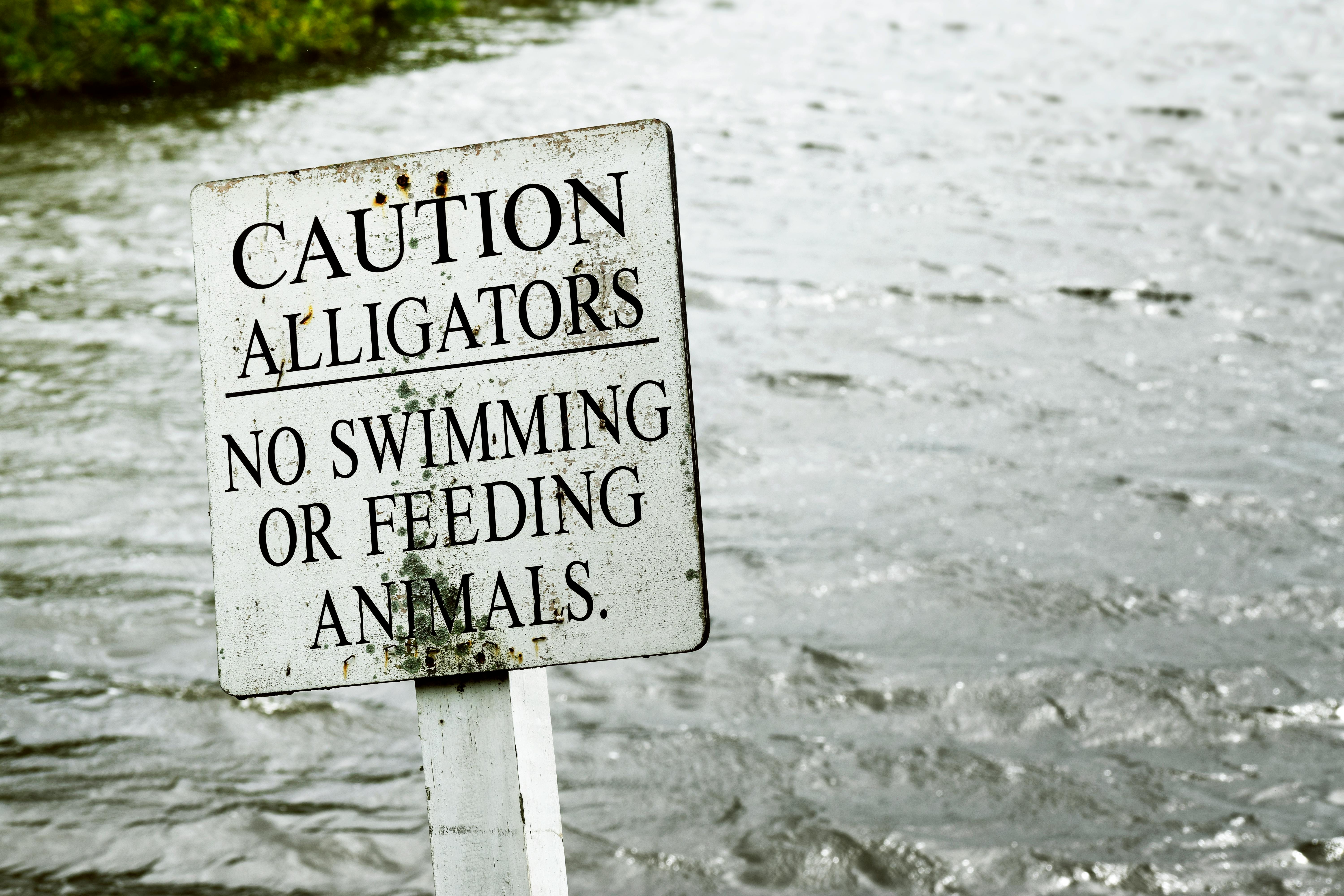
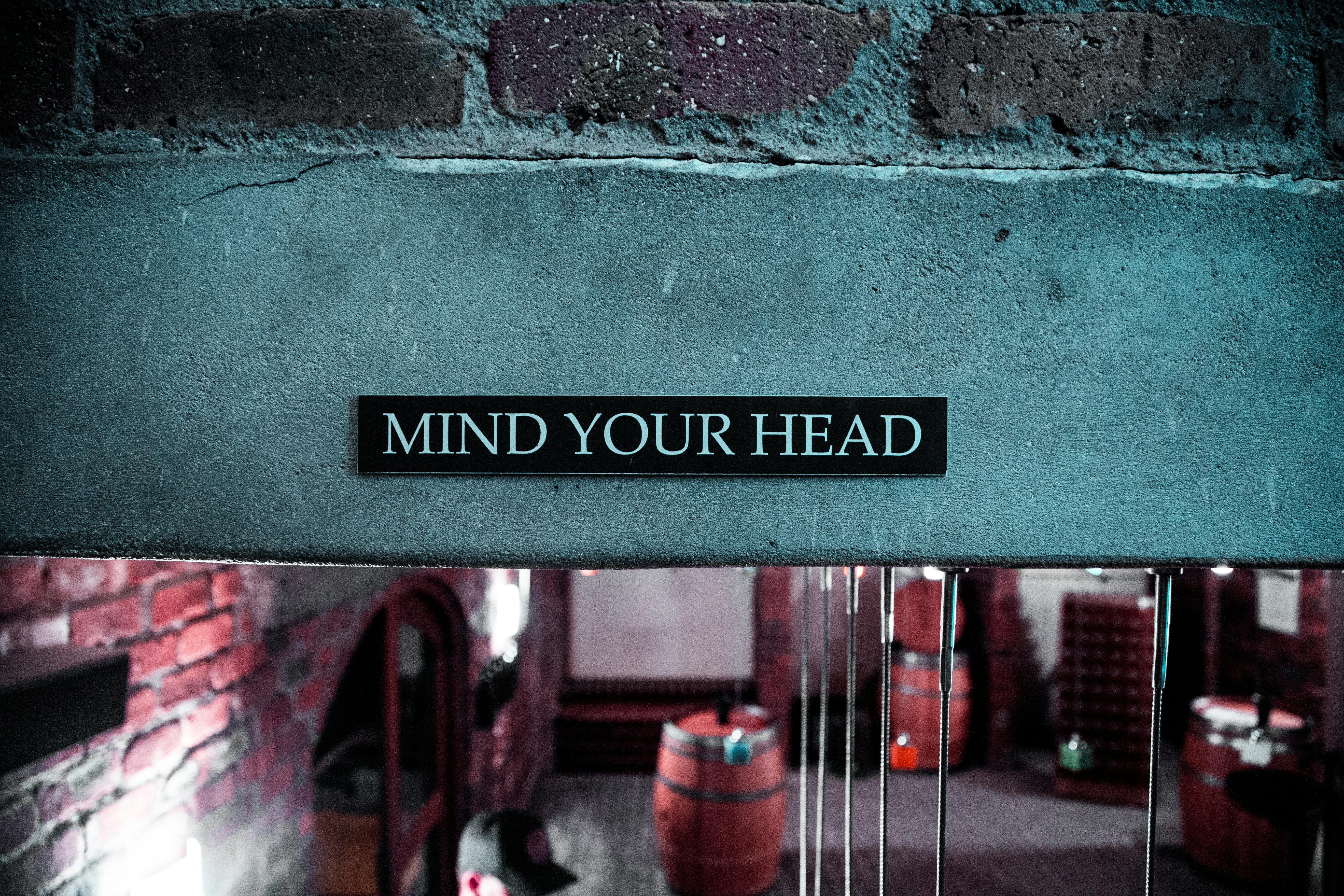

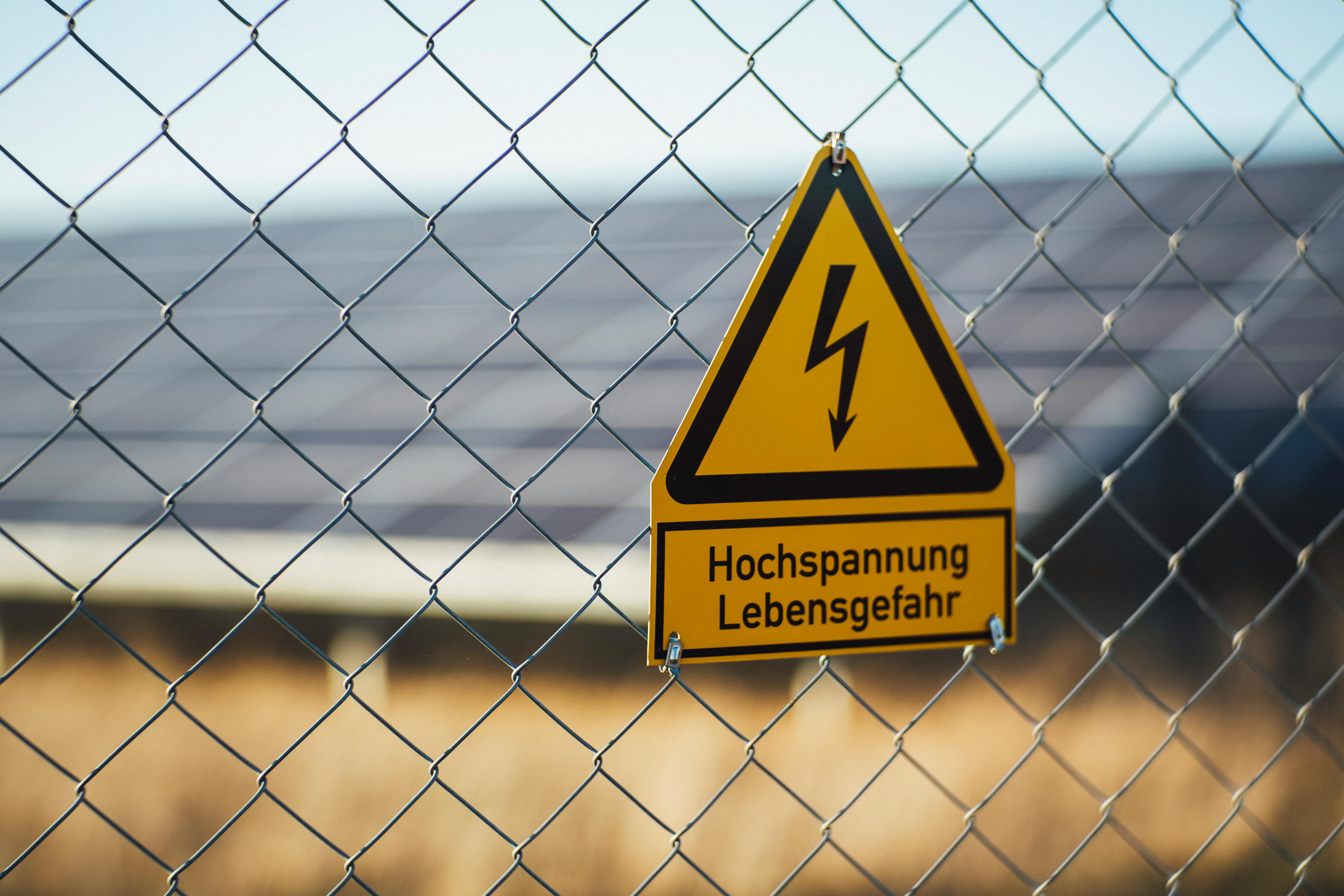
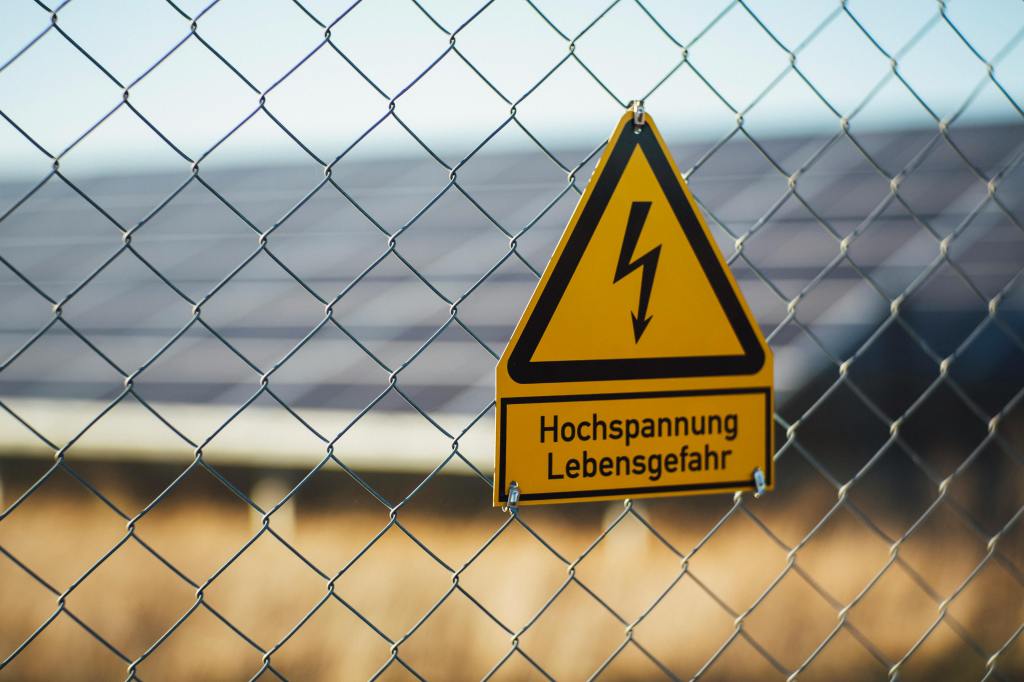
Warning signs from Pexels, a free stock photo and video website and app
What matters isn’t just the warning itself, but how we assess the risk.
The Story
The e-mail also recounted a story:
“Izadora Reis and I were speaking about this prompt earlier in the day (before I recorded what you are about to hear / have heard) over coffee and she mentioned the 2024 sudden floods in Rio Grande do Sul, Brazil. She spoke about how she witnessed (through media replays) a family only seconds away from being rescued from their rooftop by helicopter before being swept away to death by another sudden wave of river water that breached the barriers. The flooding was so quick and “unexpected” that people didn’t really have time to even prepare to evacuate. She also mentioned that under Bolsonaro, the budget for climate mitigation was cut and that this flooding – or at least the worst of it, made even more intense because of climate change – could have been avoided had the mitigation measures that were planned actually got implemented.”
This story resonated with me because, while tragic, the situation came after multiple warnings:
Warning 1: Awareness of climate change
Warning 2: Planned mitigation measures
Warning 3: Budget cuts for those measures
Warning 4: The onset of flooding
Warning 5: The family’s final moment on the rooftop, awaiting rescue, knowing this is their only chance of survival.
I hope I’m not being completely insensitive to the fate of this family (who remained faceless and nameless as the story was related to me) when my mind immediately jumps to the Parable of the Drowning Man.
The parable, often told as a joke, usually goes something like this:
A flood approaches, and a devout man refuses a rescue offer from a neighbor in a boat, saying, "God will save me." As waters rise, a second boat arrives, but he again insists, "God will save me." Finally, a helicopter comes, but he declines, confident in divine intervention. The man drowns and, in the afterlife, asks God, "Why didn’t you save me?" God replies, "I sent you two boats and a helicopter. What more were you expecting?"
In the context of tragedies related to climate change, perhaps our question to a higher power isn’t “Why didn’t you save me?” but rather, “Why didn’t you warn me?”
Warnings
Last week, while contemplating Devora’s artifact, I came across alarming news: more than half of the world’s food production will be at risk within the next 25 years due to a rapidly worsening water crisis. Experts warn that without urgent action to conserve water and protect ecosystems, the situation could escalate dramatically
I wondered why this wasn’t dominating headlines and whether, in 25 years, a global crisis will arrive “without warning.”
By coincidence, I also came across a video explaining that when young children are exploring their world by climbing on risky structures, you shouldn’t say, “be careful,” as it could just make them panic. Instead, if you doubt they’ve thought it through, you could ask, “What’s your plan?”
It makes me wonder: should we adopt a similar attitude toward issues like the climate crisis, displacement, and artificial intelligence, which we often prefer to ignore because warnings just make us panic and stumble?
What’s Your Plan?
Having a plan isn’t accessible to everyone. Returning to the family on that rooftop: even if they had received multiple warnings, what real choices did they have?
The 2024 Rio Grande do Sul floods, considered the worst in Brazil in over 80 years, caused widespread landslides and a dam collapse, impacting 2.3 million people across 497 municipalities. 181 were reported dead, 32 missing, and 806 injured. Months later, 386,045 people were still displaced.
How could all these people have individually acted on the warnings?
In 2015, the report Brazil 2040: Scenarios and Adaptation Alternatives to Climate Change, commissioned by Dilma Rousseff’s administration and conducted by several research institutions, highlighted the trend of increased rainfall in southern Brazil due to climate change.
What was their plan? The proposed goal was to put in place climate adaptation measures to minimize negative impacts. However, the report was shelved during Dilma’s own government and subsequently ignored by the following administrations.
Warnings alone aren’t enough; it is a plan and concrete actions that make a difference. And these must be implemented by those with the resources and power to put them in place.
Breath In, Breath Out, Cry Out Loud
Sometimes, warnings are of little use. They may tell you what will happen, but not how to avoid it.
Devora shares how their breathing and meditation practice helps manage hypervigilance, allowing them to live without constantly fearing the worst. Others use breathing exercises and meditation to cope with the anxiety of knowing that some things, like the decline of their bodies, their own mortality, or that of loved ones, are inevitable – no matter how many warnings they receive.
Another concept has emerged more recently: eco-anxiety, eco-grief, or climate doom.
Mental health clinicians are seeing more patients experiencing distress about the state of the planet. Climate anxiety is characterized by deep worry over climate change and its impacts on the environment and human life, often manifesting as intrusive thoughts about future disasters or the fate of one’s descendants. According to Yale experts, it can also have physical symptoms like a racing heart and shortness of breath.

Climate crisis is literally taking our breaths away, in so many ways.
Breathing exercises can certainly help people with eco-anxiety manage their mental health, ensuring it doesn’t overly affect their work, studies, or relationships.
But can simply breathing in, breathing out, crying a little because of everything we feel, also empower us to act?
A breathing app is an interesting use of technology: how something so artificial can help us manage something so human. However, it isn’t the only technological tool being used to address the repercussions of the climate crisis.
Various AI applications are being developed to tackle climate change, offering innovative solutions to predict, mitigate, and adapt to its impacts.
AI and deep learning are enhancing the prediction of extreme weather events by incorporating greater real-world complexity into climate models. For example, AI has enabled researchers to achieve 89 to 99 percent accuracy in detecting tropical cyclones, weather fronts, and atmospheric rivers.
Flood prediction is one such application, where AI-based models significantly improve the accuracy of rainfall forecasts, offering high-resolution predictions that traditional models often lack. This enhanced forecasting enables communities to better prepare for potential flooding events.
A machine learning model from Colorado State University is now used daily by the National Weather Service, accurately predicting excessive rainfall, hail, and tornadoes up to eight days in advance
In short, AI offers us the possibility of receiving a warning.
While “Without Warning” emphasises those moments when life shifts unexpectedly, having warnings allows us time to adapt and build resilience. Although some changes may be unavoidable, new (and old) tools can help us understand the impact, explore potential adaptations, and reflect on what happens when the familiar is lost, and the ground beneath us becomes uncertain.
Consider yourself warned.
Do you want to hear that recording again?
It is entirely up to you.




 Displacement Codes - Contemplative Performance and the Climate Crisis
Leave a reply to jocelinechabot Cancel reply